
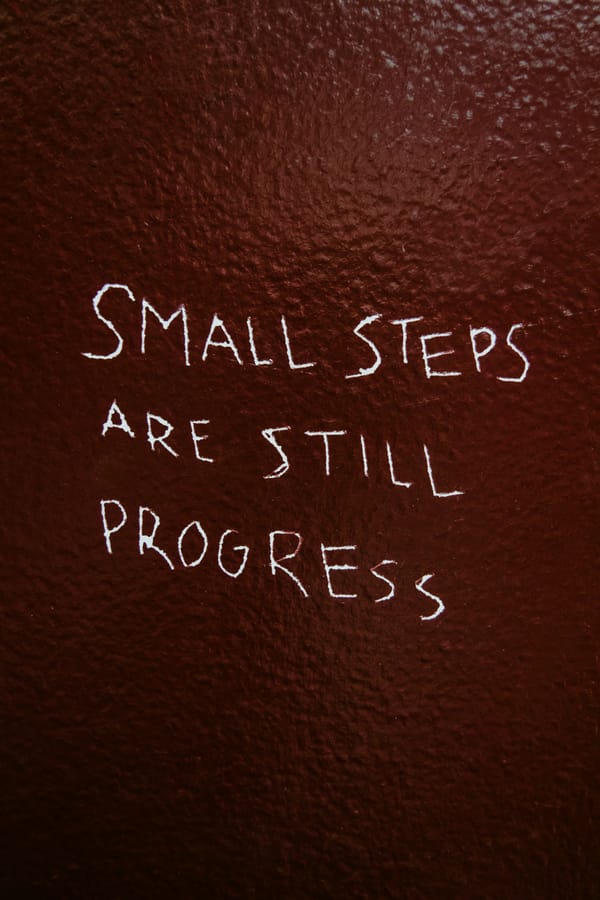
Reset After a Rough Month
A bad month is data, not a death sentence. Here's how to audit what happened and build a real recovery plan.

Let's be real. A bad month happens to every founder. Revenue dips. A launch flops. Expenses pile up. You look at your numbers and feel that pit in your stomach.
But here's the thing. A bad month is information. And if you treat it like information instead of a personal failure, you can actually use it to build something stronger on the other side.
So let's break down what to do right now.
Step 1: Identify what actually went wrong.
Not what it felt like went wrong. What the numbers say. Pull up your revenue, your expenses, and your conversion rates from the last 30 days. Compare them to the month before.
Ask yourself three questions. Did I make less money? Did I spend more money? Did fewer people buy?
Those are three very different problems with three very different fixes.
Step 2: Separate the one-time hit from the pattern.
If you had a slow month because you were sick for two weeks, that's a one-time disruption. If you've had declining sales three months in a row, that's a trend. One-time problems need a bounce-back plan. Trends need a structural change.
Step 3: Cut or pause what isn't working.
Look at any recurring expenses, subscriptions, ad spend, or tools that didn't contribute to revenue this month. If a $50/month tool hasn't helped you make or save money in 60 days, pause it.
Step 4: Pick one revenue lever to focus on for the next 14 days.
Not five things. One. Maybe it's emailing past customers with a restock offer. Maybe it's finally launching that service you've been sitting on. Maybe it's raising your prices because your margins are too thin.
Pick the lever that gets cash moving fastest.
Step 5: Set a 30-day checkpoint.
Write down where you are today. Revenue, expenses, profit. Then set a calendar reminder for 30 days out to check those same numbers again. This is how you stop reacting emotionally and start managing strategically.
A bad month doesn't mean your business is broken. It means something needs adjusting. The founders who recover fastest aren't the ones who panic or pretend it didn't happen. They're the ones who look at the data, make a decision, and move.
You have the information now. Use the next seven days to act on it.
Action Checklist:
Pull last month's revenue, expenses, and conversion data and compare to the prior month. Identify whether the issue is income, spending, or conversions. Determine if this is a one-time disruption or a recurring pattern. Pause or cancel at least one expense that isn't earning its keep. Choose one revenue-generating action to focus on for the next two weeks. Set a 30-day checkpoint on your calendar to reassess.
Want the tools to actually track this? Builder Plus includes the Funding Tracker, AI business consultant, and weekly breakdowns built for exactly this kind of moment. Start your 15-day free trial.
Written by