If you’ve been hearing “AI” everywhere and still feel unclear on what it actually is or how it fits into your business, you’re not behind. Most explanations skip the fundamentals, overhype the magic, or assume you’re technical.
This guide is different.
By the end, you’ll understand:
- What AI actually is, in plain English
- What AI is good at vs. bad at
- How real businesses are using it today
- The most useful platforms, what they do, and what they cost
- Niche tools founders overlook but shouldn’t
- Practical, step-by-step ways to use AI in your business
- What to learn next if you want to get smarter, not just trend-aware
Let’s start at the root.
What AI Actually Is (No Jargon)
Artificial intelligence is software that learns patterns from data and uses those patterns to make predictions, generate content, or automate decisions.
That’s it.
AI is not a robot.
AI is not conscious.
AI does not “think.”
It recognizes patterns faster than humans and applies them at scale.
In business terms, AI is best understood as:
- A junior assistant that works fast
- A pattern recognizer that sees trends across large data sets
- A first-draft generator, not a final authority
AI works by being trained on massive amounts of existing information. When you give it a prompt, it predicts the most likely useful output based on what it has learned.
This is why AI is powerful, and also why it needs human oversight.
What AI Is Actually Good At (And What It’s Not)
AI is very good at:
- Writing first drafts (emails, captions, outlines)
- Summarizing long documents
- Brainstorming ideas
- Analyzing patterns in data
- Automating repetitive tasks
- Turning instructions into systems
AI is not good at:
- Making final legal decisions
- Replacing strategy or judgment
- Understanding nuance without guidance
- Knowing your business context unless you give it
- Being accurate 100 percent of the time
Founders who struggle with AI usually expect it to replace thinking. Founders who win with AI use it to reduce friction, not responsibility.
How AI Is Actually Used in Business Today
Here’s what real businesses are using AI for right now:
- Writing marketing copy and sales emails
- Creating SOPs and internal documentation
- Pricing analysis and offer structuring
- Customer support drafts
- Market research and competitor analysis
- Content planning and SEO outlines
- Financial forecasting and scenario modeling
- Legal issue spotting (not legal advice)
AI does not replace departments. It replaces bottlenecks.
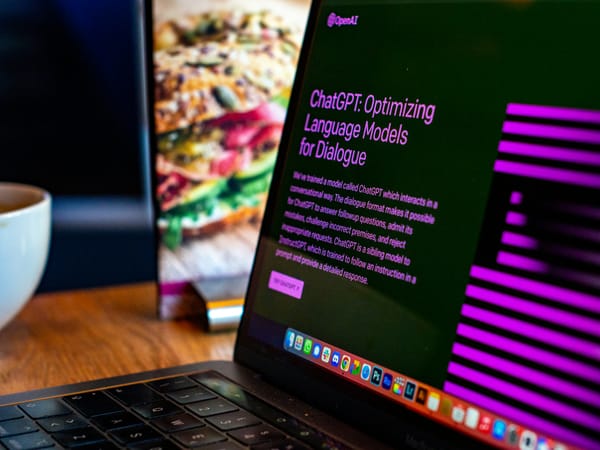
OpenAI / ChatGPT
This is the most widely used AI tool for founders.
What it does
- Writing
- Brainstorming
- Strategy outlines
- Research summaries
- Process building
- Prompt-based problem solving
How founders actually use it
- Drafting marketing emails and ads
- Writing website copy
- Creating business plans and pitch outlines
- Turning messy ideas into structured plans
- Creating checklists and SOPs
Pricing
- Free version available
- Plus plan is about $20/month
- Team and enterprise plans cost more
Access
- Web browser
- Mobile app
- API for advanced workflows
This is the best starting point if you use nothing else.
Google Gemini
Google’s AI integrates deeply with Docs, Sheets, and Gmail.
What it’s good for
- Summarizing documents
- Analyzing spreadsheets
- Drafting emails
- Research tied to Google Search
Pricing
- Free tier
- Advanced features included with Google Workspace plans
Best for founders already living inside Google Drive.
Anthropic Claude
Claude is known for handling longer documents well.
What it’s good for
- Reviewing contracts and policies
- Summarizing long PDFs
- Editing writing with tone sensitivity
Pricing
- Free tier
- Pro plan around $20/month
Many founders prefer Claude for legal-adjacent reading and editing.
These are tools people don’t talk about enough, but they’re extremely useful.
Jasper
Best for: Marketing teams and content-heavy brands
Pricing: Starts around $39/month
Use case: Brand-consistent ad copy, campaigns, and long-form content
Notion AI
Best for: Operations and internal systems
Pricing: Included in paid Notion plans
Use case: SOPs, project management, internal documentation
Zapier
Best for: Automation between tools
Pricing: Free tier, paid plans scale with usage
Use case: Automatically moving data, triggering workflows, reducing manual admin work
Descript
Best for: Content creators and podcasters
Pricing: Free tier, paid plans available
Use case: Editing video and audio by editing text
Runway
Best for: Visual content and video creation
Pricing: Free tier, paid plans for higher usage
Use case: Short-form video generation, editing, and effects
Concrete Examples: How Founders Use AI Step by Step
Example 1: Creating a New Offer
- Ask AI to analyze competitors in your niche
- Identify pricing gaps and positioning opportunities
- Draft an offer outline
- Generate sales page copy
- Refine based on your brand voice
AI cuts weeks of research into hours.
Example 2: Cleaning Up Operations
- List everything you do in a week
- Ask AI to group tasks into systems
- Generate SOPs for each system
- Turn SOPs into checklists
- Use them to delegate or automate
This is how founders exit burnout.
Example 3: Marketing Without Guessing
- Upload past content that performed well
- Ask AI to identify patterns
- Generate new content ideas based on those patterns
- Draft captions, hooks, and CTAs
- Test and refine
AI becomes a pattern analyst, not a creative crutch.
Smart Strategies for Using AI Well
- Always give context before asking for output
- Treat AI like a junior team member
- Ask it to explain its reasoning
- Cross-check important outputs
- Build repeatable prompts, not one-offs
Founders who win with AI build systems, not prompts.
What to Learn Next If You Want to Get Smarter
After this article, your next steps should be:
- Learn prompt frameworks, not just prompts
- Study AI ethics and data privacy basics
- Learn how AI fits into your specific industry
- Practice turning workflows into automations
- Understand where legal and financial boundaries exist
AI literacy is becoming business literacy.
The Bottom Line
AI is not here to replace founders.
It’s here to replace inefficiency, overwhelm, and wasted effort.
The founders who benefit most aren’t the most technical. They’re the most intentional.
And this is just the beginning.
If you want deeper workflows, founder-ready prompts, and real business applications without the hype, this is exactly what we build inside OVIDIA.
Clarity over chaos. Access over gatekeeping. Tools over talk.
Sign up for OVIDIA.
Helping women of color see what’s possible — and build it.
No spam. Unsubscribe anytime.